Money
Gone
Wrong
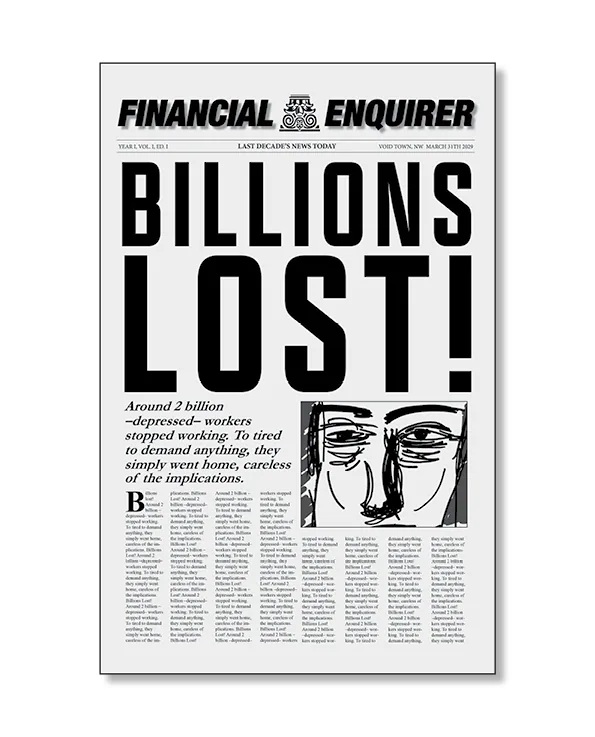
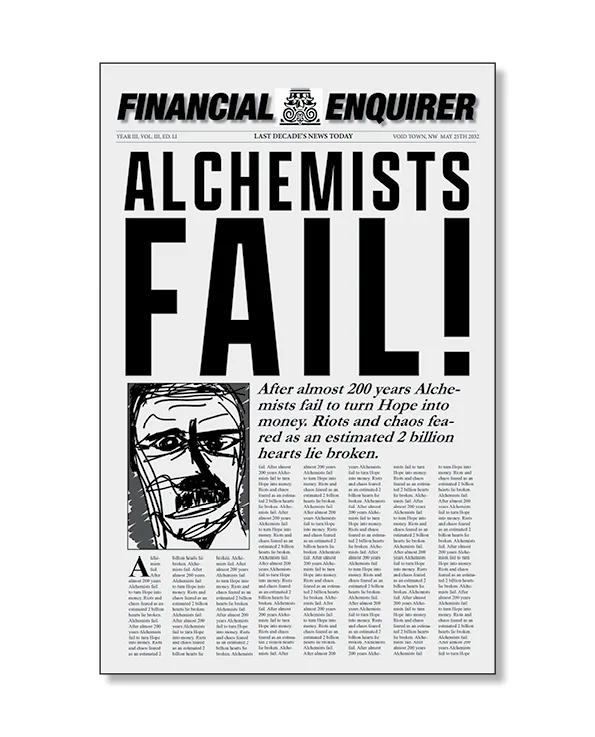
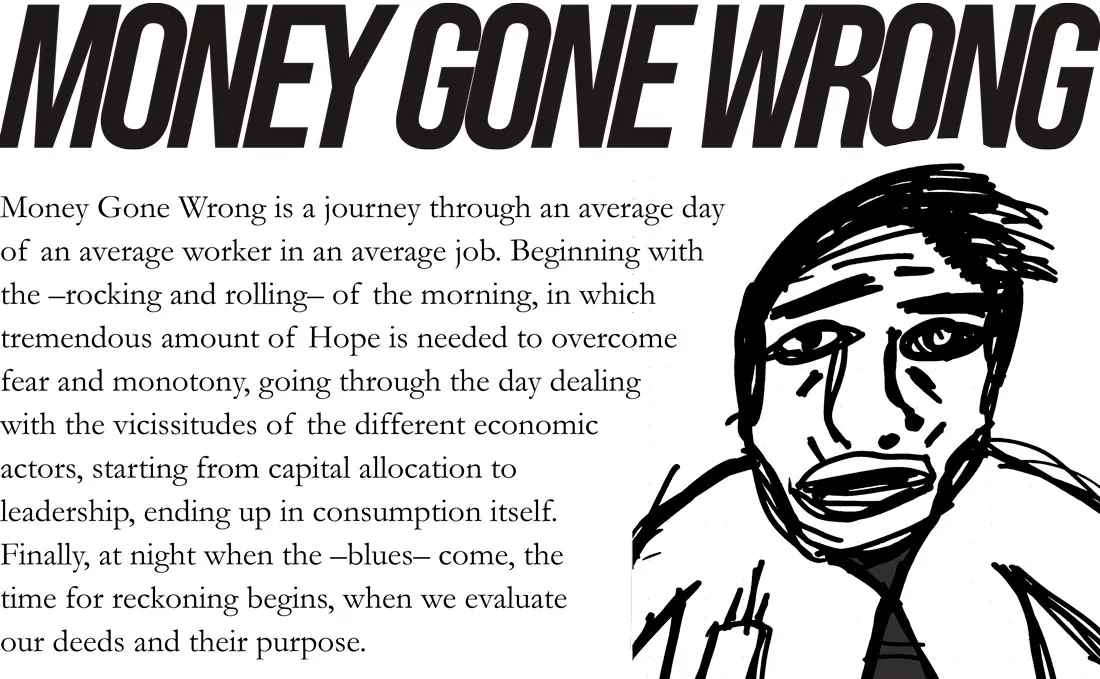
Money Gone Wrong is a journey through an average day of an average worker in an average job. Beginning with the –rocking and rolling– of the morning, in which tremendous amount of Hope is needed to overcome fear and monotony, going through the day dealing with the vicissitudes of the different economic actors, starting from capital allocation to leadership, ending up in consumption itself. Finally, at night when the –blues– come, the time for reckoning begins, when we evaluate our deeds and their purpose.
Zero Six Hundred Hours
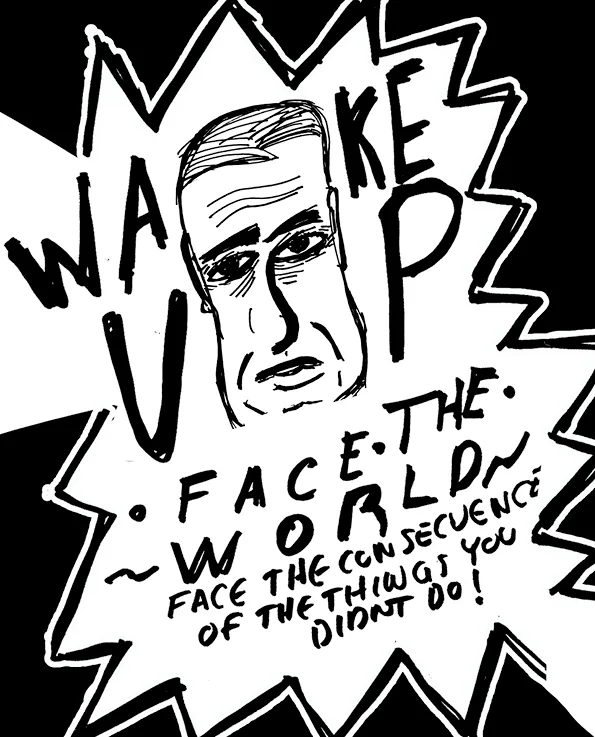
In this series, the dreading act of waking up every morning is explored, the Graphics wonder where does Human-Will go at such early hours. Also, a new definition of Economy is proposed: not as the science that studies the "ration of scarce resources to satisfy unlimited human needs", but as a field that should measure the "people's will to wake up every morning". Too suddenly, the morning alarm brings a landslide of regrets and anxiety… the burden of responsibility, the heart pounding: "Here I am again, this is my life, I have to, I have to, I have to…". But, where's the power outlet we must plug ourselves to, and get the enthusiasm to face a world where we have to make money to survive and provide? The urge to rise and shine, like the urge to go on, ask something from us that either we have or don't, but can't be gotten, bought or infused. It takes some basic vital strength or a vestige of meaning.
Hope: The real fuel
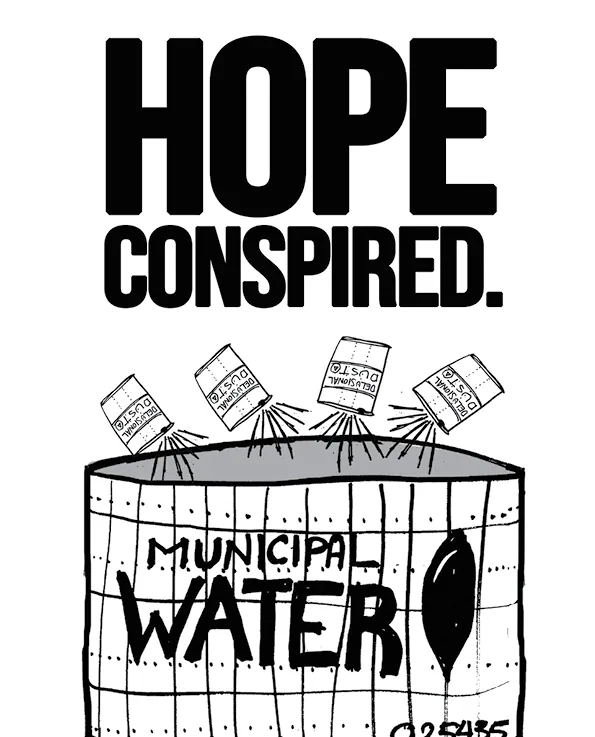
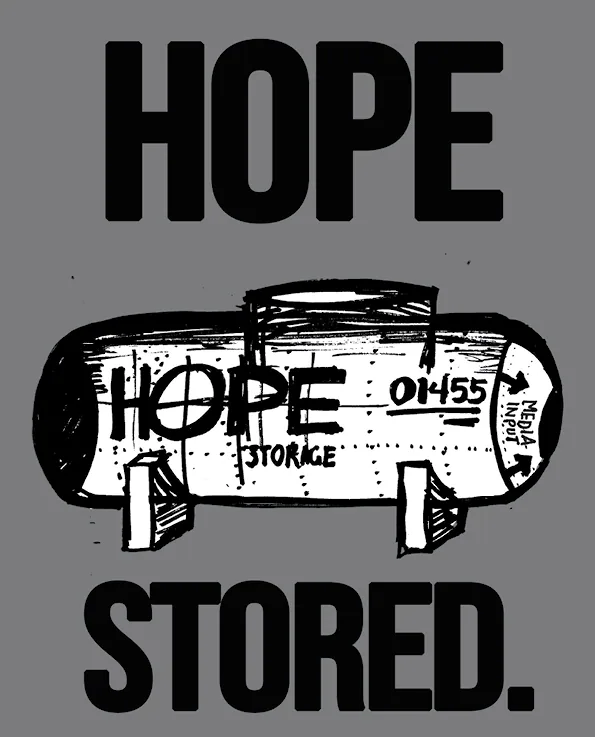
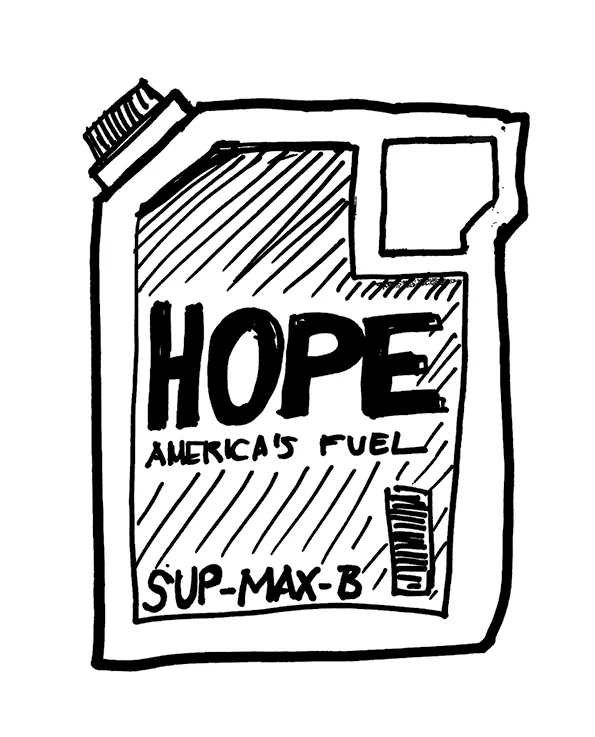
In this polyptych, Hope is proposed as the true essence of all economic activity. What if it could be infused into the human brain? How efficient would we all become? How would governments manage such "product"? Hope is a conclusion we draw when we see that good things are possible; an inclination towards the sun; the smile that persists before uncertainty –which defines pretty much everything. Where do we get it from? This section links hope and economy because it is tightly tied to productivity. The difficulty lies in the fact that tangible, manageable results are, in the end, powered by an intangible, ethereal fuel that one either has or doesn't have.
The Ten Commandments of Capital Allocation
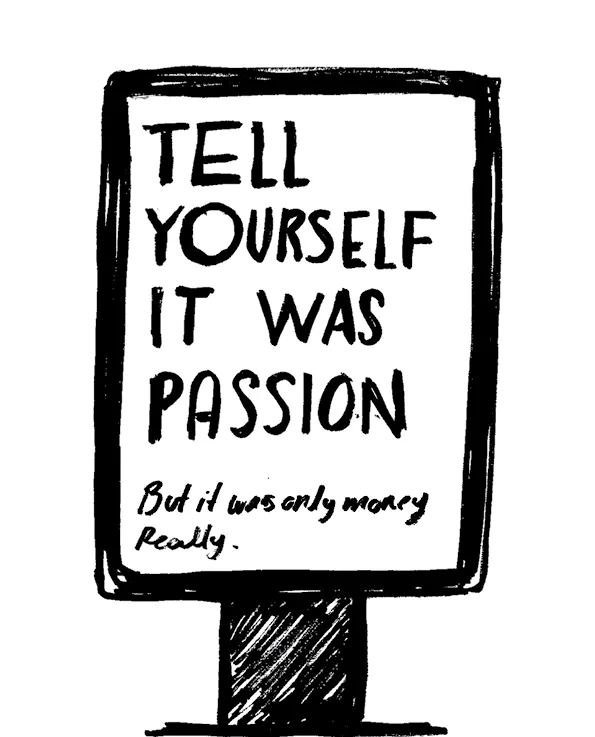
This section imagines how would a series of ironical institutional adverts look hanging on the walls of the endless halls of corporate buildings. These messages would urge their army of financial bureaucrats to follow their commandments helped by infantile graphics, so nothing is left for interpretation. Allocating capital is only the fancy term for "spending a lot of money", which is normally spent lured by a twisted logic or a simple lack of common sense. One could say that engines of our economy do not only bring out the worst of us, but that it is precisely what they need from us.
Priorities of Institutional Expenditure
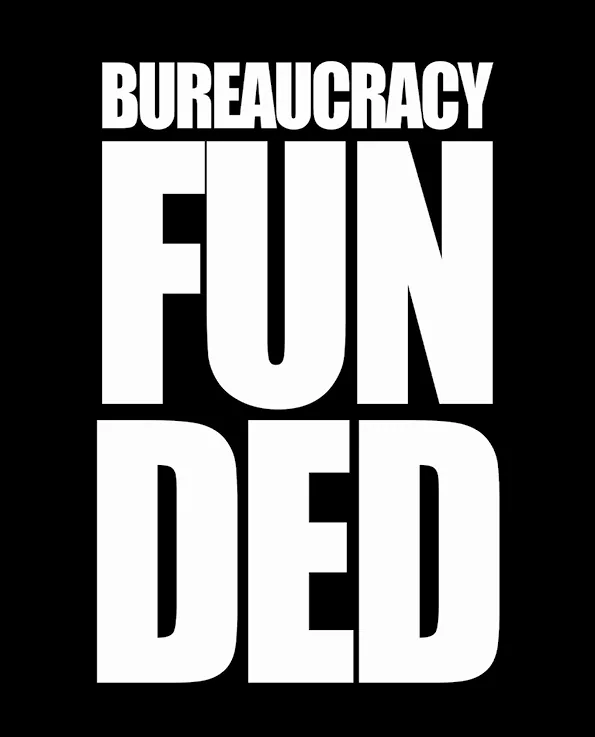
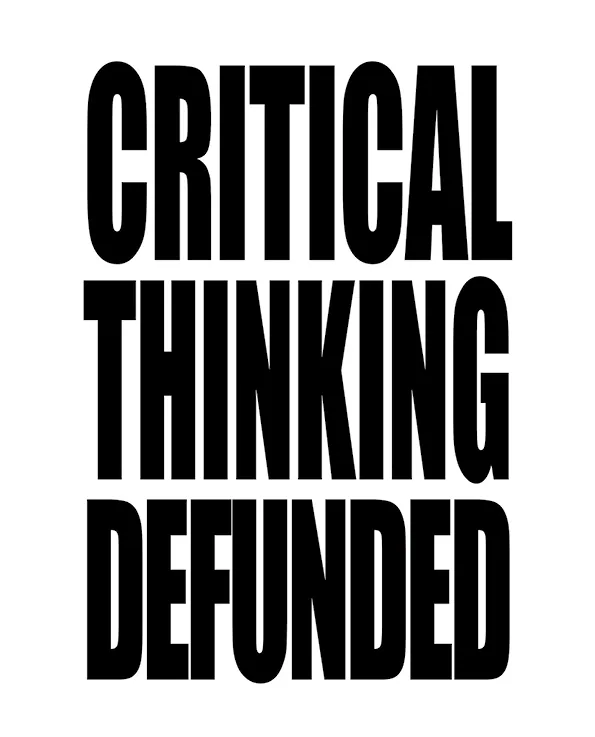
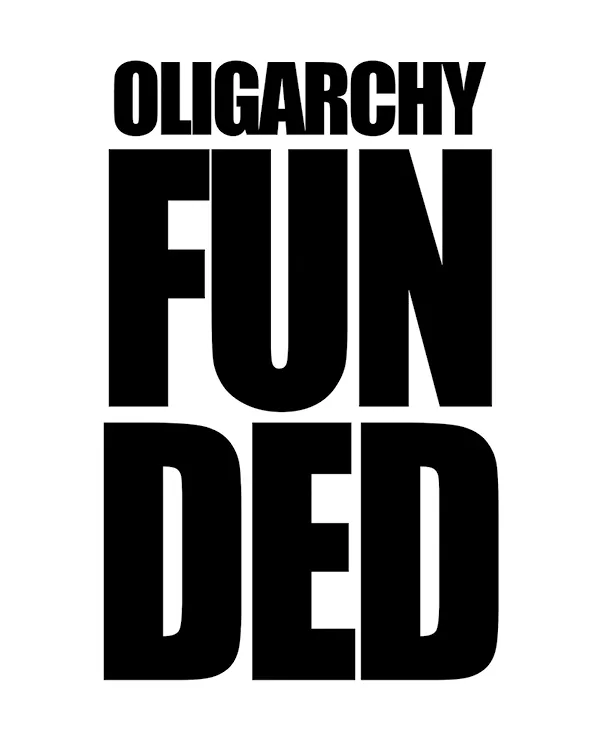
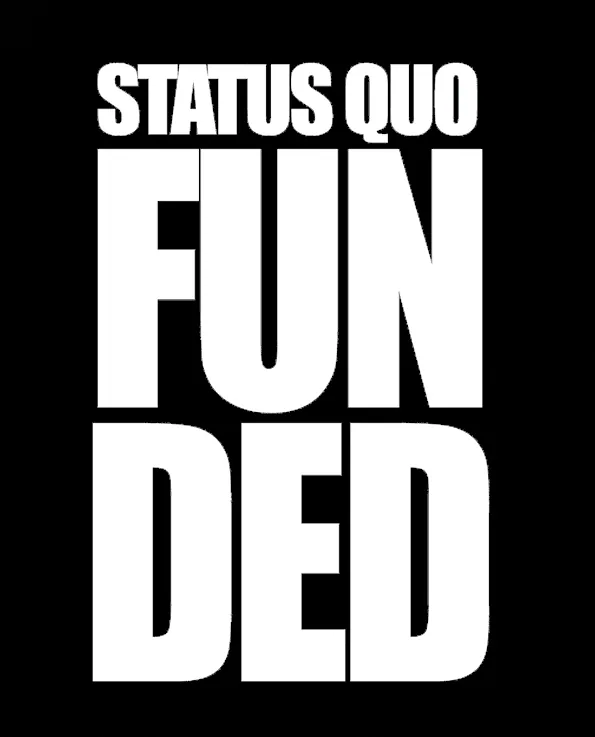
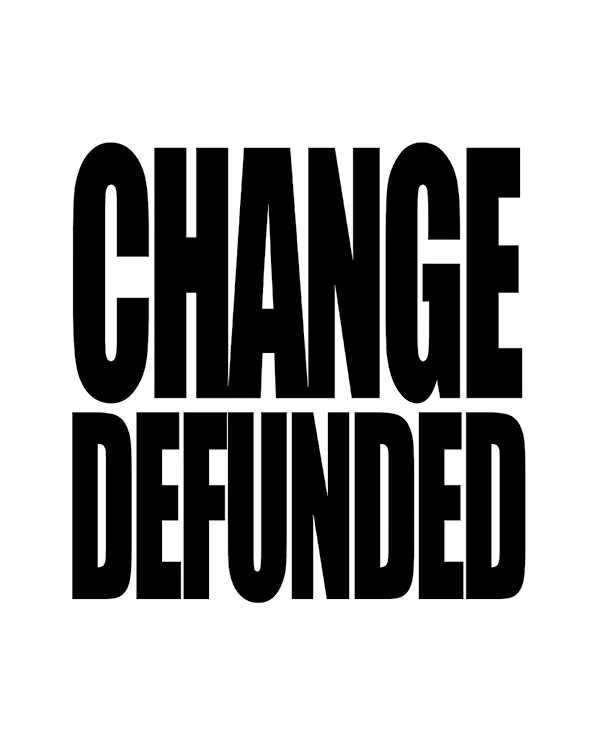
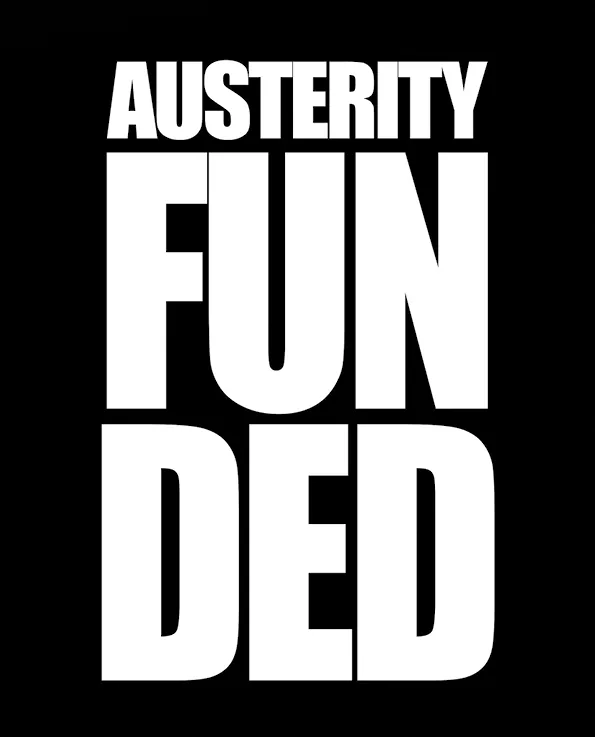
Every human is affected by these decisions; what to fund, what not to fund. This section attempts to emulate the graphics of protest, idle to be glued in the streets. Yet, there hardly is street protesting for what is not massively understood. People can feel the lack of food or electricity, but nobody will notice in their day-to-day how billions were diverted from art to bureaucracy, from psychological care to weaponry. From needs to caprices.
Leadership Gone Bad
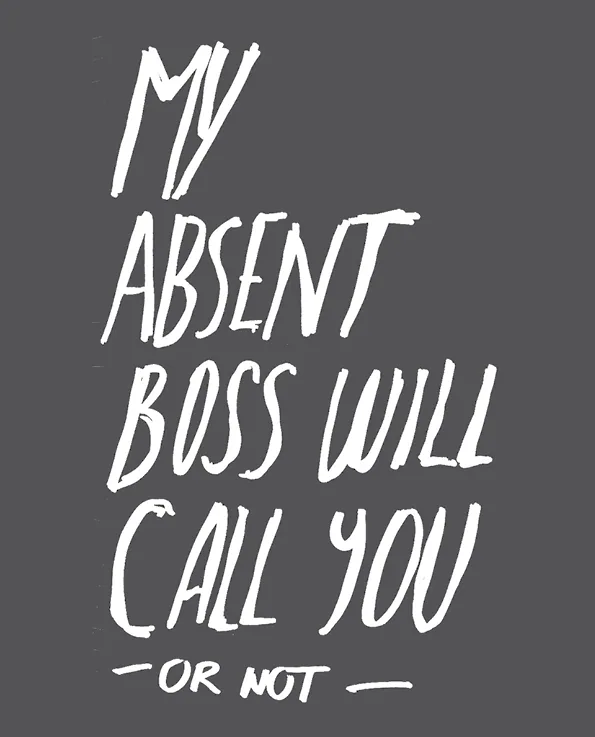
Years on the (corporate) road, earning new positions, have made these leaders the experts in handling the big money and the many people. All those years competing, holding on to positions of power, regarding themselves as the owners of some essential realm, have rotten their very souls and rotten souls also spread their seeds. The rest of us are left to learn to respect them. But when respect and admiration become worship, a clear dynamic occurs: as in Archemede's tub, the one who gets in, proportionally displaces the others, that is to say, the worshiped one gives himself the right to despise and mistreat the others, as others take away their own right to feel as equals.


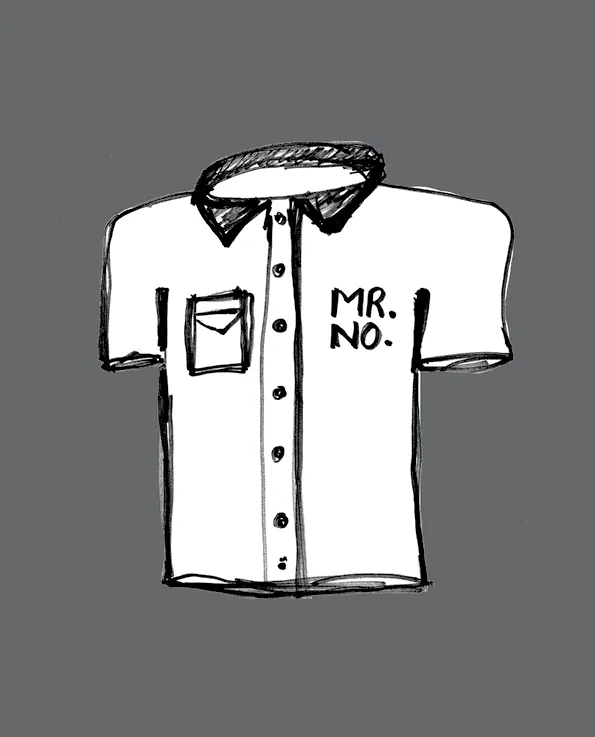
Leadership Gone Berserk
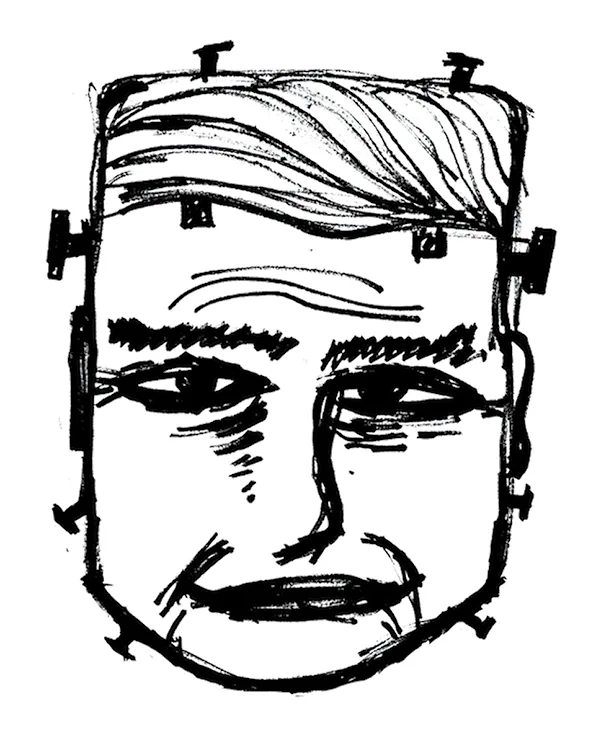
This section depicts the worst of leaders. They have now become monsters and developed new capabilities. These descendants of Greed are trained to harm; recklessly, flagrantly and without any regard for consequences. They may have been like us, but now they have mutated, their humanity is nowhere to be found. They come as awakened nightmares, daily, ubiquitously.
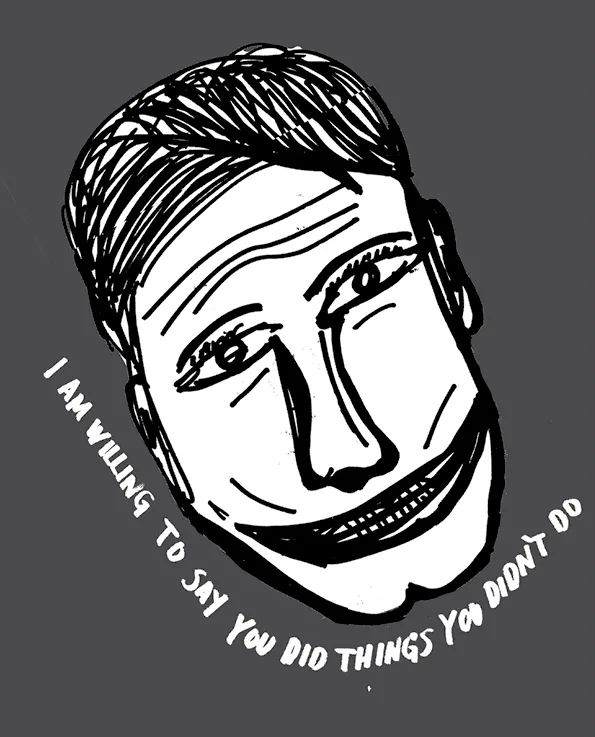
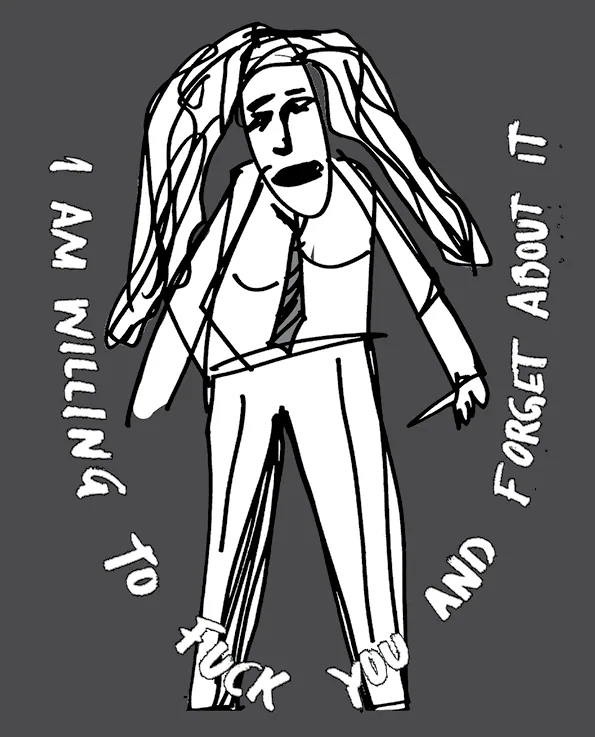
Business Efforts for Nothing
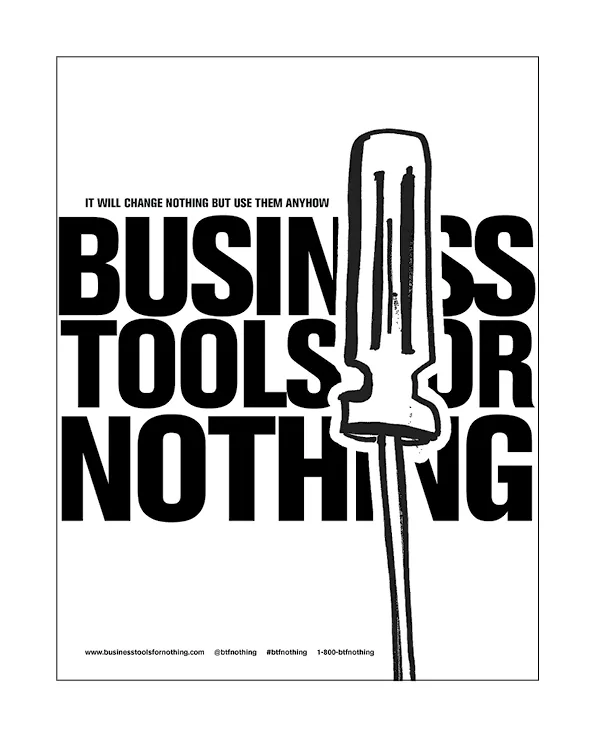
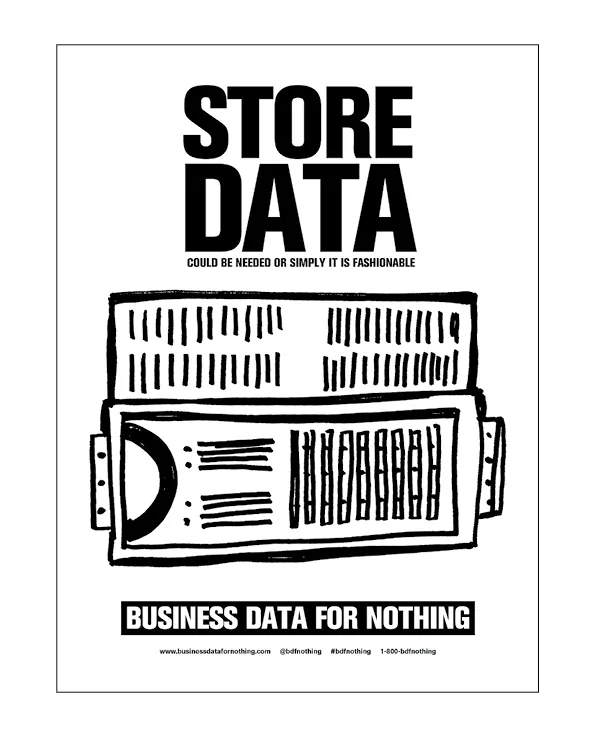
This section criticizes the corporate idea of productivity. Huge economic entities take pride in their ability to be efficient, but the truth is they aren't. Redundancies, ignominy and waste are everywhere in the business spectrum; most of time is wasted, most of efforts are for nothing; the "machinery" is what actually does the job, people only stops it a little.
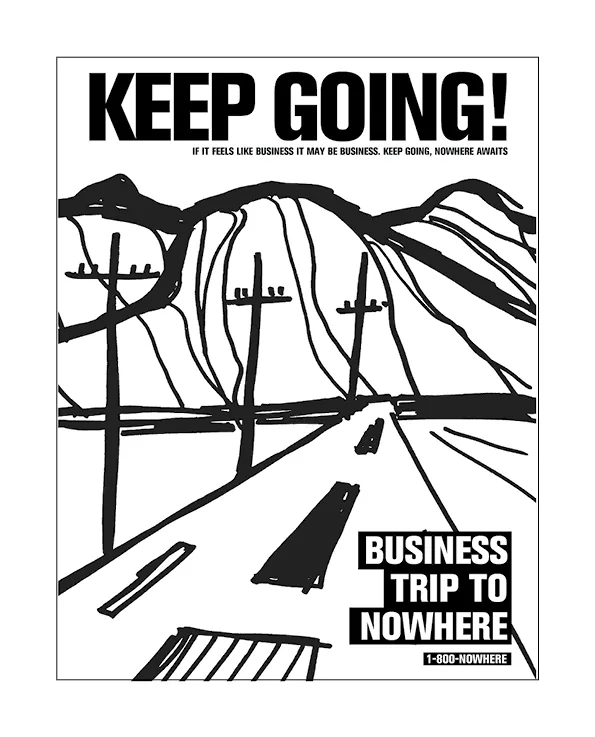
Broken Promises
The messages we've received are misleading. Once we confront the engines of Money, the fallacy is shown, abruptly and clearly: Freedom, Prosperity, Autonomy and Personal Growth are all myths or, at most, just promises. False promises told relentlessly and deliberately, confusing possibility with plausibility making us unconscious protagonists of our own demise. We are prone to believe in them because they help us function, face the everyday.
The Entropic Chamber
"Increased energy outputting the same or less (entropy), can be systemically overturned by adding technology to the equation. The real toll, though, occurs slowly in the individual psyche, the wrinkled skin, the broken souls."



Flattened Superlatives
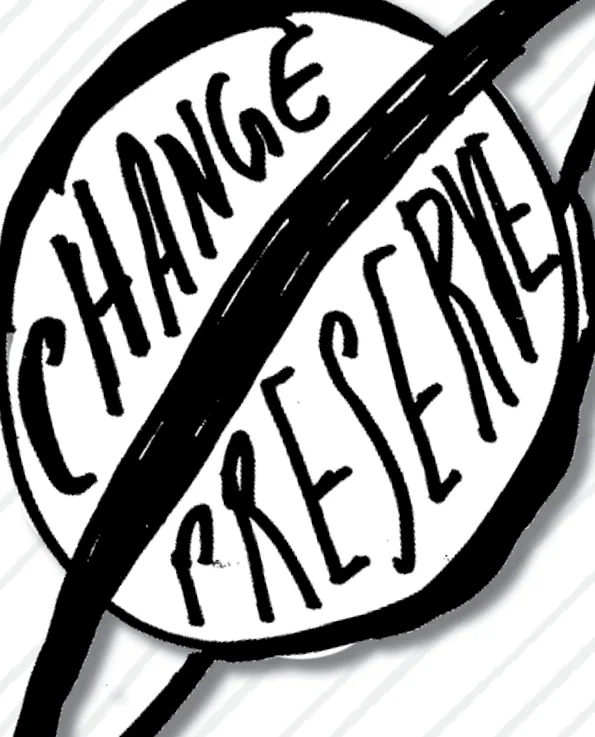
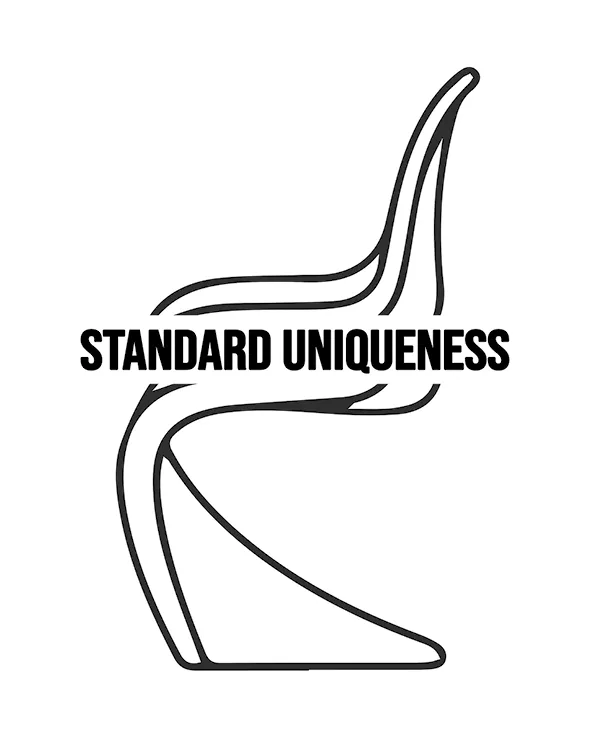
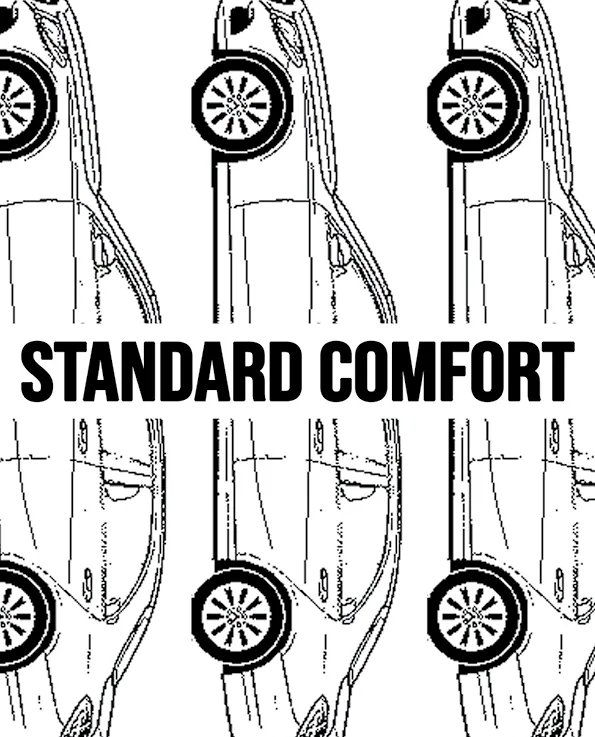
It is easy to feel special when money comes our way. Wealth creates the illusion of superiority, of a better breed that can access the best products and lifestyle. The wealthy tend to define themselves by their purchasing power and their refined choices. But this is how it really works: there are so many people accessing the same products and choosing the same lifestyle, that they can be easily typified by the economic system. They are predictable, they are millions and growing, their choices are known, repeated, their superiorness flattened.


Loneliness
At the end of every working day it is not that we are literally alone, it is that we face our lonely selves. Alone because we feel empty or alone because we know that the finished task was futile, endless. Alone we all stand, at the end of the day, with greed in our hearts and money in our pockets.